From Dreams to Victory: Critical Path Guidance in Practice
Within today's fast-paced and ever-evolving landscape, effective leadership is increasingly important than ever. Companies are faced with challenges that require not just innovative ideas, but also the capacity to translate these visions into actionable plans. This is where the concept of Critical Path Leadership comes into play, offering a structure that empowers leaders to navigate complexities and drive their teams toward success. By focusing on critical tasks that directly affect project outcomes, leaders can simplify processes and enhance productivity.
Critical Path Leadership emphasizes clarity, prioritization, and collaboration, all necessary elements for reaching strategic goals. It directs leaders to identify the most crucial pathways that result in victory, ensuring that every effort is aligned with the overarching vision. In this article, we shall explore the principles and practices of Critical Path Leadership, demonstrating how successful leaders harness these strategies to motivate their teams and achieve extraordinary results.
Understanding Critical Path Management
Critical Path Leadership is a strategic approach that focuses on recognizing the crucial tasks and decisions that propel advancement towards a goal. At its core, this leadership approach stresses the importance of clarity and prioritization in order to achieve expected outcomes successfully. Leaders who utilize this approach are skilled at dividing complex projects into feasible steps, making sure that their teams continue aligned and focused on what really matters.
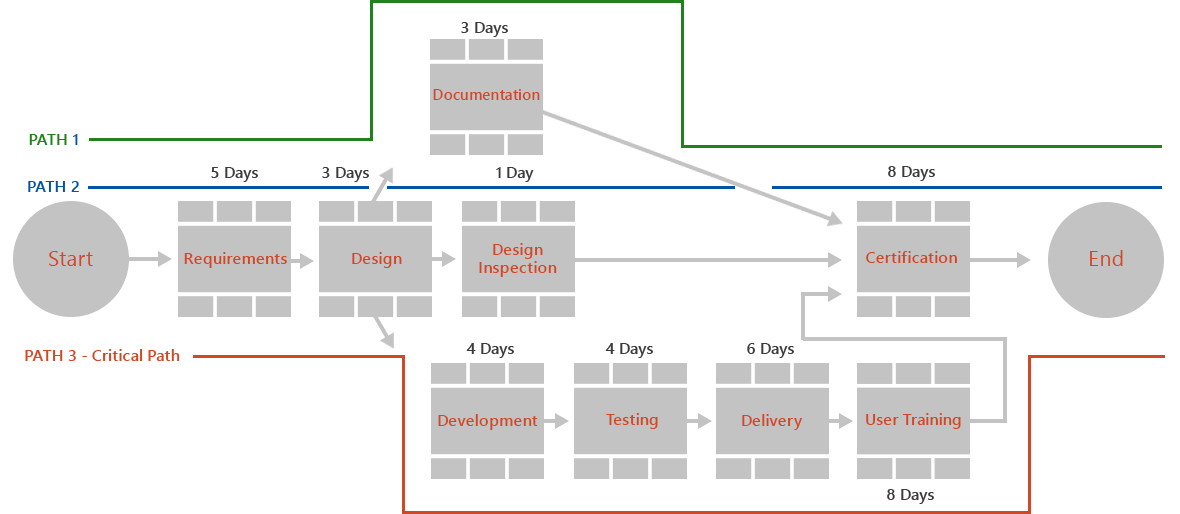
This leadership methodology encourages a forward-thinking mindset, where leaders regularly review and modify their strategies based on feedback and changing circumstances. By evaluating the critical path, which shows the sequence of tasks that specifically impacts project completion, leaders can make informed decisions that minimize risks and capitalize on opportunities. This not only enables timely execution but also bolsters a culture of accountability within the team.
Furthermore, this framework fosters collaboration and communication among team members. Leaders in this framework actively inspire their teams in discussions about priorities and challenges, creating an environment where all members feels encouraged to contribute. This team effort not only improves problem solving but also builds a sense of ownership, leading to increased commitment to the project's success.
Key Strategies for Implementation
To efficiently implement Critical Path Leadership, it is essential to define a clear vision and define specific goals. This begins with an thorough analysis of the organization or project to identify key milestones and dependencies. Leaders should involve their teams in this process to foster a sense of ownership and alignment. By segregating the larger vision into manageable tasks, leaders can provide guidance and support, making it easier for team members to comprehend their responsibilities towards the overarching objectives.
Interaction is a crucial component of the methodology of Critical Path Leadership. Leaders must keep open lines of dialogue among all team members to make sure that all members is on the same wavelength regarding development and challenges. Consistent updates and input gathering will help to identify potential hurdles and facilitate prompt adjustments. Strong communication reinforces cooperation and enables the team to stay focused on their goals, enhancing overall effectiveness and efficiency.
In conclusion, fostering a culture of flexibility is important for the impact of the practice of Critical Path Leadership. Leaders should motivate team members to be active in recognizing new prospects and potential risks. By creating an environment where innovation and shift in strategy are welcomed, teams can be adaptive in the context of evolving circumstances. This adaptability allows entities to not only manage difficulties but also capture prospects for expansion and enhancement, ultimately leading to favorable project conclusions and sustained success.
Evaluating Success and Outcomes
To successfully assess the effects of Critical Path Leadership, organizations must define clear measures that reflect both quantitative and descriptive success. This entails assessing project deadlines, budget compliance, and the overall achievement of strategic targets. By monitoring these indicators, leaders can evaluate the extent to which their choices correspond with the company's goals and objectives, ultimately spotting areas for development and support.
Furthermore, gathering feedback from staff and interested parties is vital in understanding the influence of leadership strategies. Surveys and interviews can offer perspectives into how well teams are operating and the level of involvement observed by individuals engaged in a project. This feedback loop encourages a climate of continuous refinement, allowing leaders to refine their strategies and improve team performance in future projects.
Lastly, the long-term effect of Critical Path Leadership can be evaluated by analyzing the durability of projects and the expansion of organizational skills. Effective initiatives should not only satisfy short-term objectives but also arm teams for future challenges. By examining the perpetual influence of leadership decisions, companies can create a robust structure that underpins ongoing success and promotes creativity.
Phone: +1 424-493-2046 Hours: Open · Closes 5 pm